Understanding the Foundation of Strategy in Gaming
Strategy in gaming is the calculated approach that players utilize to navigate through the challenges and complexities presented by various game environments. At its core, strategy entails thorough planning and effective execution, aimed at achieving specific objectives while outmaneuvering opponents. This essential aspect of gaming serves as the backbone of successful gameplay, allowing players to maximize their chances of victory.
The importance of strategy becomes evident when considering the myriad of game genres—from real-time strategy (RTS) games like StarCraft, which focus on resource management and tactical warfare, to role-playing games (RPGs) such as Dark Souls, where players must meticulously plan their approach to challenges and boss fights. In these scenarios, having a well-devised strategy can mean the difference between a triumphant victory and an inevitable defeat. More than just making random decisions, effective strategic planning incorporates foresight, adaptability, and keen awareness of the game’s mechanics.
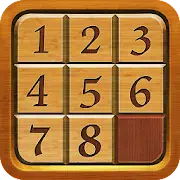
Moreover, strategy is not solely confined to combat-focused games. In puzzle games like Tetris, for instance, players employ strategic thinking to place pieces in a manner that prevents gaps and prepares for future configurations. Even in casual games, such as solitaire or chess, strategic decisions guide each move, shaping the course of the game. The universality of strategy across diverse gaming genres underscores its critical role in enhancing the overall gaming experience.
Ultimately, understanding and mastering the foundation of strategy in gaming is essential for players aiming to elevate their gameplay. By developing their strategic thinking, players not only improve their performance but also deepen their engagement with the game itself, leading to a more fulfilling gaming experience.
The Art of Adaptability: Navigating Unforeseen Challenges
In the realm of gaming, adaptability stands as a cornerstone of successful strategies. Players often encounter situations where the game environment shifts unexpectedly, requiring a quick reassessment of their plans to maintain a competitive edge. The ability to pivot in response to unforeseen variables not only enhances a player's performance but can also be the difference between victory and defeat.
For instance, consider a multiplayer online battle arena (MOBA) game. A team may enter a match with a preconceived strategy, such as focusing on early-game dominance. However, if one player unexpectedly faces a challenging opponent or the opposing team executes a surprising maneuver, the entire strategy may need to be altered on the fly. An adaptable player recognizes these shifts and communicates with teammates to adjust tactics, such as shifting to a defensive playstyle or reallocating resources to counteract threats.
Another illustration can be found in real-time strategy (RTS) games, where resource management and unit deployment are crucial. If an opponent suddenly surprises the player with aggressive attacks, one must quickly decide whether to reinforce defenses or seek alternative routes to gather resources. This decision requires not only a quick analysis of the immediate situation but also foresight to predict the opponent's moves. A rigid adherence to an original strategy is often detrimental, as the most skilled players are those who remain responsive to dynamic changes.
Ultimately, the ability to adapt is vital across various gaming genres. It allows players to take advantage of new information, overcome unexpected challenges, and leverage the evolving nature of gameplay. Embracing adaptability contributes significantly to refining strategies, enhancing overall performance, and ultimately resulting in more successful gaming experiences.
Psychological Warfare: Reading Opponents and Crafting Counter-Strategies
In the world of competitive gaming, understanding the psychological aspects of gameplay can often be as crucial as technical proficiency. A player’s ability to perceive and interpret the behaviors of opponents plays a significant role in almost every game, whether it be chess, first-person shooters, or multiplayer online battle arena (MOBA) games. This psychological warfare enables players to read their opponents, allowing them to anticipate moves and develop counter-strategies that can lead to victory.
When engaging in gameplay, players must be attuned to their rivals' habits and tendencies. For instance, are they aggressive or defensive? Do they favor certain strategies or character choices? By answering these questions, players can predict competitors' actions in various situations. This anticipation is not merely a matter of luck; it is founded on keen observation and psychological insight.
Crafting counter-strategies based on these observations helps to turn the tides of a matchup. Novel tactical approaches can dismantle an opponent’s game plan, particularly if they are entrenched in predictable routines. For instance, if an opposing player is known for a particular strategy, implementing unexpected moves can disrupt their rhythm and force them into a defensive posture. This mental contest often leads to a deeper level of engagement in gameplay, as players explore mind games to uncover vulnerabilities.
Moreover, the significance of psychological tactics often outweighs sheer mechanical skill. While mastering game controls is important, the ability to outthink an opponent can yield more decisive victories. Therefore, developing psychological acuity not only enhances individual gameplay but also fosters a richer and more strategic gaming experience.
Teamwork and Collaboration: Enhancing Strategies in Multiplayer Gaming
In the realm of multiplayer gaming, where diverse players converge to accomplish shared objectives, the significance of teamwork and collaboration cannot be overstated. Effective communication among team members serves as the cornerstone of any successful strategy. Players must engage in clear and concise dialogue, discussing their roles, strategies, and actions with the aim of establishing a unified approach to gameplay. This collaboration fosters a sense of camaraderie, essential for navigating the complexities of multiplayer environments.
Another critical aspect of enhancing strategies through teamwork is understanding the unique strengths and weaknesses of each player. A proficient team leader recognizes individual capabilities and leverages them to maximize the overall performance. By assigning specific roles, such as healer, damage dealer, or support, a cohesive strategy is developed, catering to each member's abilities. This nuanced coordination not only improves efficiency but also instills confidence within the team, allowing players to execute their roles effectively.
Moreover, establishing a positive team environment is paramount. Charismatic leadership can inspire motivation, encouraging players to collaborate enthusiastically rather than competing against one another. In scenarios where individual self-interest might detrimentally impact group strategies, a leader's ability to champion collective goals can transform potential dysfunction into synergy. Incorporating feedback channels where players can share insights and adapt strategies based on real-time performance further strengthens teamwork.
Ultimately, the melding of effective communication, role allocation, and strong leadership cultivates an environment ripe for strategic success in multiplayer gaming. As players enhance their collaborative approaches, they not only elevate their gameplay but also enrich the overall gaming experience. This synergistic relationship underscores the importance of teamwork in refining and executing strategies that can lead to victory.