


















































Shooting sports encompass a variety of disciplines including air rifle, pistol shooting, and shotgun events, each demanding a unique set of skills and a high degree of precision. Athletes who participate in these sports undergo rigorous training regimens that focus not only on physical prowess but also on mental acuity. Achieving remarkable accuracy in shooting requires a balanced approach to both the mental and physical aspects of the sport.
To excel in shooting sports, athletes engage in extensive practice that cultivates their focus and concentration. The ability to maintain composure under pressure is paramount, particularly during competitive events where the atmosphere is charged with intensity. Shooting athletes develop techniques that enhance their stability and steadiness, which are crucial for targeting precision. This includes breath control, muscle relaxation, and proper alignment with the target.
Physical conditioning also plays a significant role in the art of shooting sports. Competitors often engage in activities that build core strength and stamina, which are essential for maintaining an accurate aim over prolonged periods. Moreover, shooting sports’ demands for fine motor skills necessitate training that sharpens hand-eye coordination and tactile sensitivity.
The significance of shooting sports is underscored in prestigious competitive environments, such as the Olympic Games, where athletes from around the world showcase their talents and the culmination of their intense preparation. The atmosphere during these events is electrifying, as spectators witness the culmination of years of dedication and hard work. In addition to showcasing individual skill, shooting sports also foster camaraderie among competitors, as they share a passion for precision and excellence.
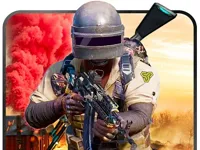
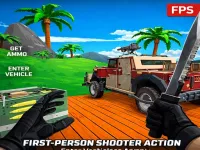
Shooting games have rapidly evolved into a dominant genre within both the gaming community and the entertainment industry, drawing players into intense virtual experiences. These games, particularly first-person shooters (FPS), provide an immersive perspective that engages players in fast-paced action. Popular titles such as "Call of Duty," "Counter-Strike," and "Battlefield" have captivated vast audiences, making them household names.
The strategic components embedded within these shooting games are noteworthy. Players must often work collaboratively with their teammates to devise effective strategies, making real-time decisions that will influence the outcomes of matches. Elements like communication, resource management, and tactical positioning are crucial for achieving success. Such cooperative gameplay not only enhances the overall experience but also strengthens social connections among players.
Moreover, the thrill of engaging in high-stakes scenarios is a defining feature of shooting games. Players frequently find themselves navigating intricate maps while facing opponents, with each encounter raising adrenaline levels. The mechanics of shooting—aiming, reloading, and utilizing various weapons—are designed to provide a visceral sense of action that mimics real-life challenges. Through virtual battlefields, players can experience the intensity of combat situations without the associated risks.
Allowing individuals to participate in these dynamic environments serves to foster skills such as quick thinking and teamwork. In addition, shooting games deliver a safe and entertaining medium through which players can explore challenging scenarios, honing their abilities across diverse skill sets. The combination of finely tuned mechanics and engaging narratives keeps players at the edge of their seats, reinforcing the genre's appeal as a leading form of entertainment.
The portrayal of shooting in film is a multifaceted art form that significantly contributes to storytelling across various genres. From explosive action blockbusters to suspense-laden gritty thrillers, the representation of firearms and shootouts is meticulously crafted to evoke excitement and tension. Cinematic techniques play a crucial role in amplifying the intensity of action scenes, with careful attention to choreography, sound design, and narrative structure.
Choreography is vital in shooting scenes, where directors collaborate with stunt coordinators to create complex sequences that appear both thrilling and realistic. For instance, scenes in action films are often accompanied by intricate gunplay that requires extensive rehearsal, ensuring fluidity and precision in execution. This level of artistry not only heightens the visual impact but also deepens audience engagement, allowing viewers to be enveloped in the adrenaline of the moment.
Sound design further elevates the cinematic portrayal of shooting. The precise timing of gunfire, coupled with dramatic scores, can heighten the emotional stakes of a scene. The use of silence immediately before a shootout, followed by sudden explosive sounds, amplifies the shock value and engages the audience’s senses. The interplay between visuals and audio is essential; it creates an immersive experience that resonates with viewers on a profound level.
Narrative development intertwined with shooting scenes also plays a significant role in shaping audience perception. By embedding emotional undercurrents in action sequences, filmmakers can elevate a mere shootout into a pivotal storyline moment—revealing character motivations or moral dilemmas. Whether it is a high-stakes heist or a poignant confrontation, the artistry behind the shooting sequences transforms them into memorable cinematic experiences, leaving audiences both thrilled and contemplative.
The act of shooting has significant implications in real life, particularly in the contexts of self-defense and law enforcement. As society grapples with the complexities surrounding firearms, it becomes increasingly vital to emphasize responsible usage and ethical considerations. Understanding the implications of shooting extends beyond the mechanics of aiming and firing a weapon; it encompasses a broader framework of societal responsibility and individual safety.
Responsible weapon usage necessitates comprehensive training that prioritizes safety and effectiveness. Individuals who possess firearms must engage in rigorous training programs that not only teach the technical aspects of handling a gun but also instill a sense of ethical responsibility. This includes an awareness of legal frameworks governing self-defense, as well as the moral implications of using a weapon. Such training is crucial not only for self-preservation but also for the protection of the community.
The societal implications of shooting are far-reaching. Each interaction involving firearms can have lasting consequences, shaping perceptions and norms within communities. A responsible approach to shooting entails fostering a culture of safety and respect, paying heed to the potential repercussions of discharging a firearm. Furthermore, validating the role of law enforcement in managing shooting-related incidents highlights the need for collaborative community efforts in advocating responsible gun ownership and usage.
In essence, understanding the impact of shooting in real life is paramount for both individuals and communities. It transcends the mere act of pulling a trigger, weaving into the fabric of social relations and collective safety. A commitment to responsible shooting practices can contribute to a more informed and conscientious public, ultimately leading to a reduction in accidents and enhancing overall societal well-being.